

With Star Maps in mind, and Artemis II back from its trip orbiting the Moon, the first of its kind since 1972, it seems about time this old unpublished note from several years ago was unearthed along with some more recent things.
Masayoshi Suzuki and Studio P.R.O, Kotaro Hosono and Haitsu in Nishi-Ogikubo were a part of the SIDE CORE-curated “Living road, Living space” at 21st Century Museum of Contemporary Art in Kanazawa which ended in March. Early Spring is a small gallery space close to Studio P.R.O (and Goya Curtain) and opened this April. Open Letter Gallery is also a stone’s throw away. efag.css is an artist run space, related to SIDE CORE and the above, but on the other side of town in Edogawa. And in May gallery 𝛼M, the non-profit space operated by Musashino Art University, celebrated its 40th anniversary.
The following was written during the height of the pandemic so probably reads slightly awkwardly. However, I’ve decided to leave it as is—the mark of a more pernicious and perhaps even playful period.
“Yuu Takamizawa: imlabor” at 2x2x2 (Feb.5-Mar.6, 2022)
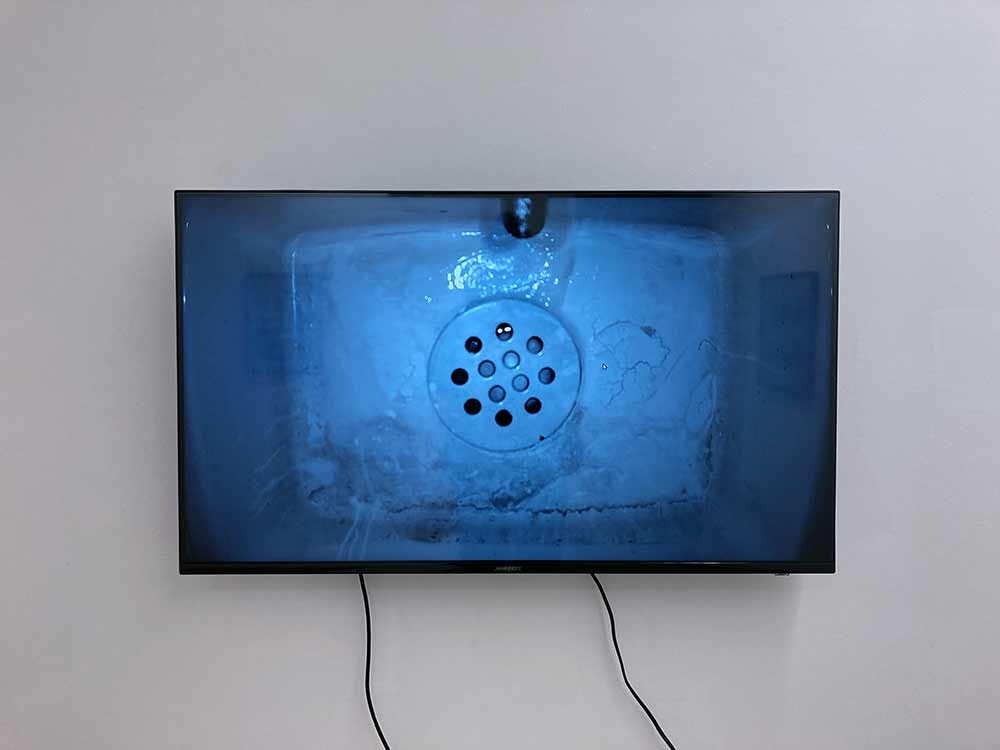
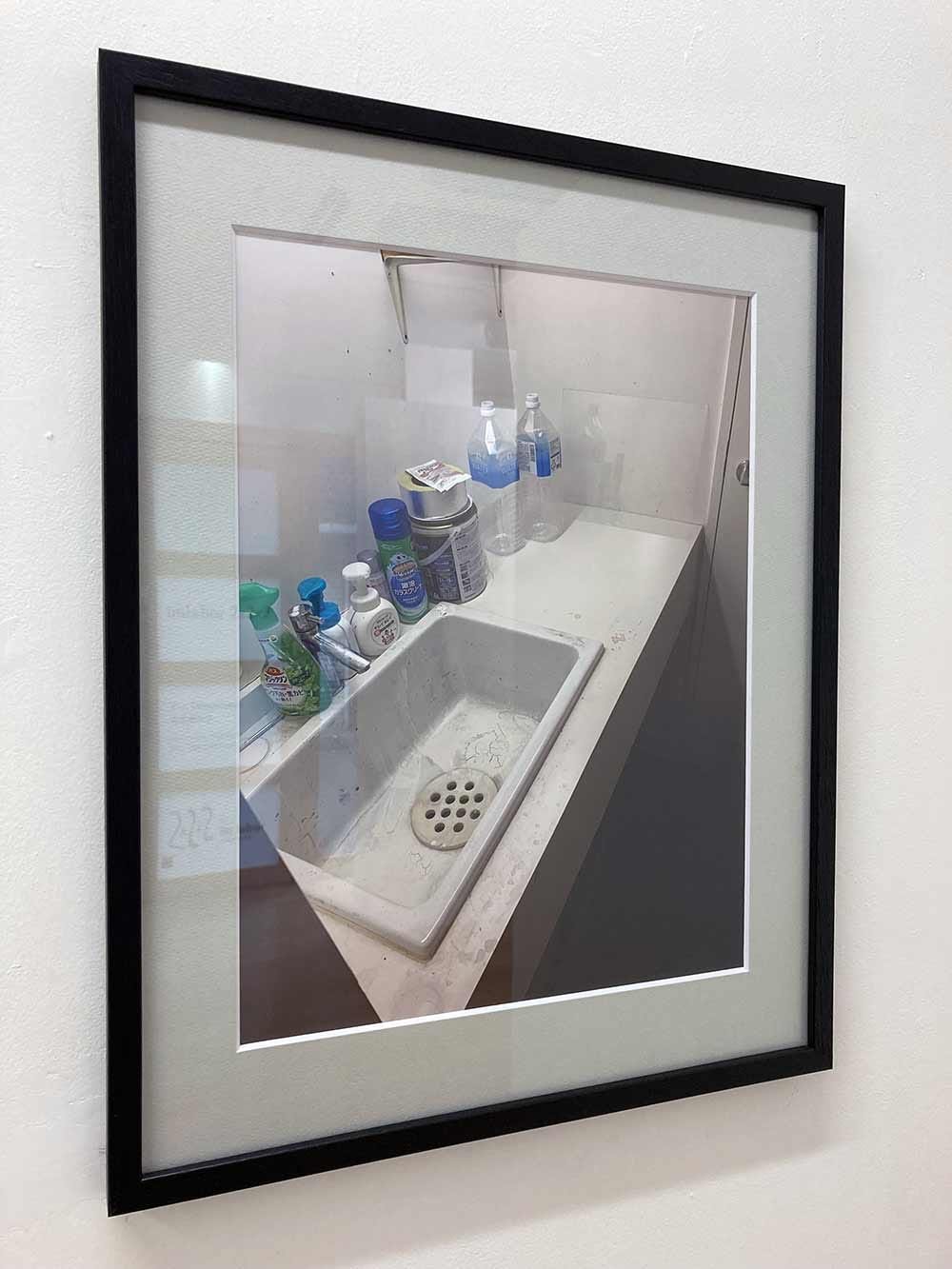
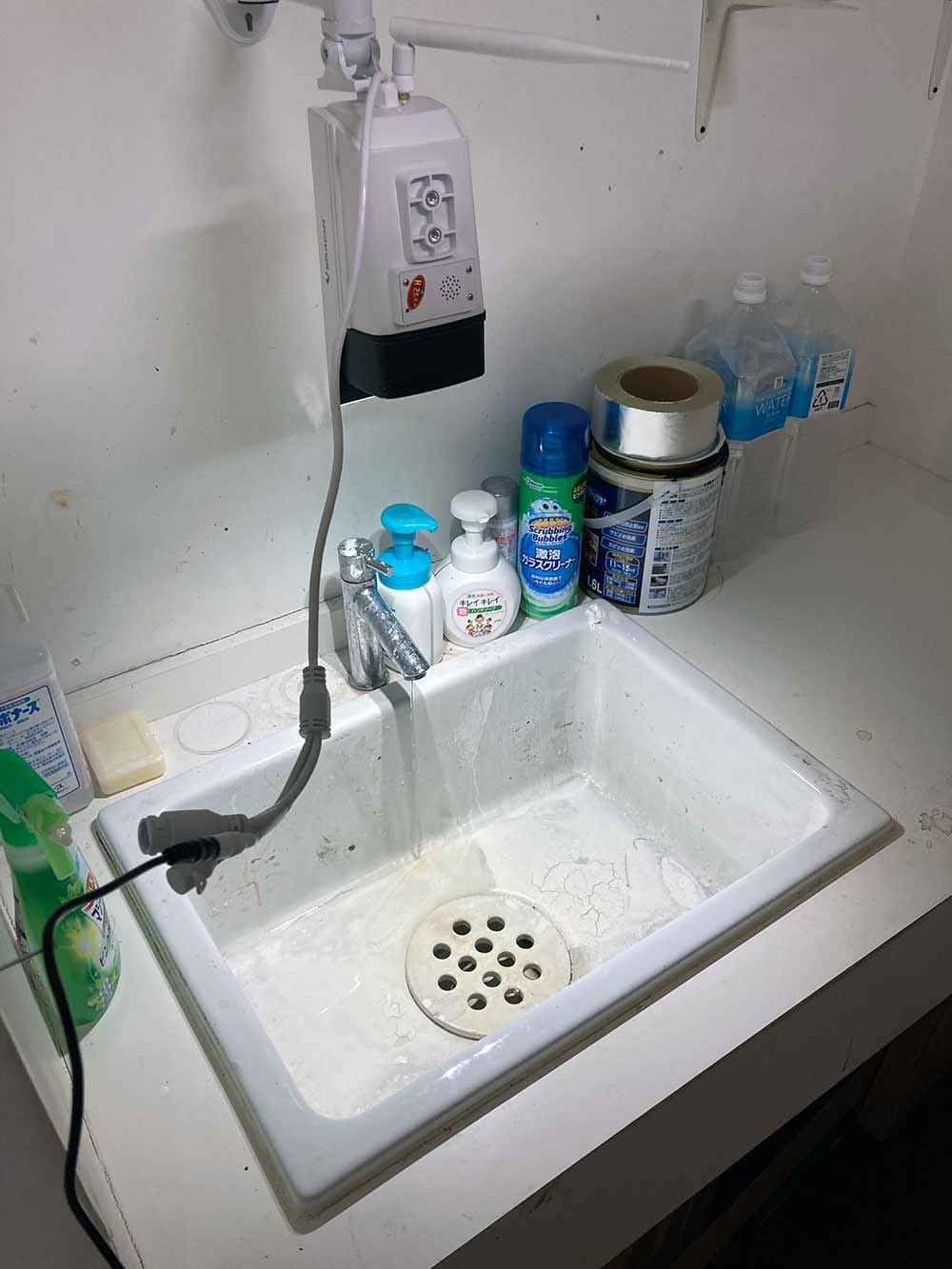
Yuu Takamizawa @imlabor revives the heart of his exhibition at @4649__ in 2022. Gone this time were the taxidermal racoon and washing machine both bought from an online auction site. In their place sat a bench wrapped in cardboard and clingfilm, a replica Ikea ‘Marius’ stool reproduced down to the last screw and the packaging it comes in. Meanwhile, the gallery sink became a focal point, parsing video of it through a flat screen as CCTV stared down the gallery sink. It was something akin to self portraiture and surveillance. Yuu thinks of painting and sculpture as worldly where reality is loose and loosely treats the reality of painting. Objects are not sculpture. Sculpture is painting. Video is image. All this is then poured down the sink, down the drain, down the plug hole, to be recycled somewhere else at some other occasion.
Sjoerd Martens & Ikuhisa Sawada, “The last train approaches, preserving my dearest memories without being alone” at The White #303 (Jan.11-Feb.5, 2022)
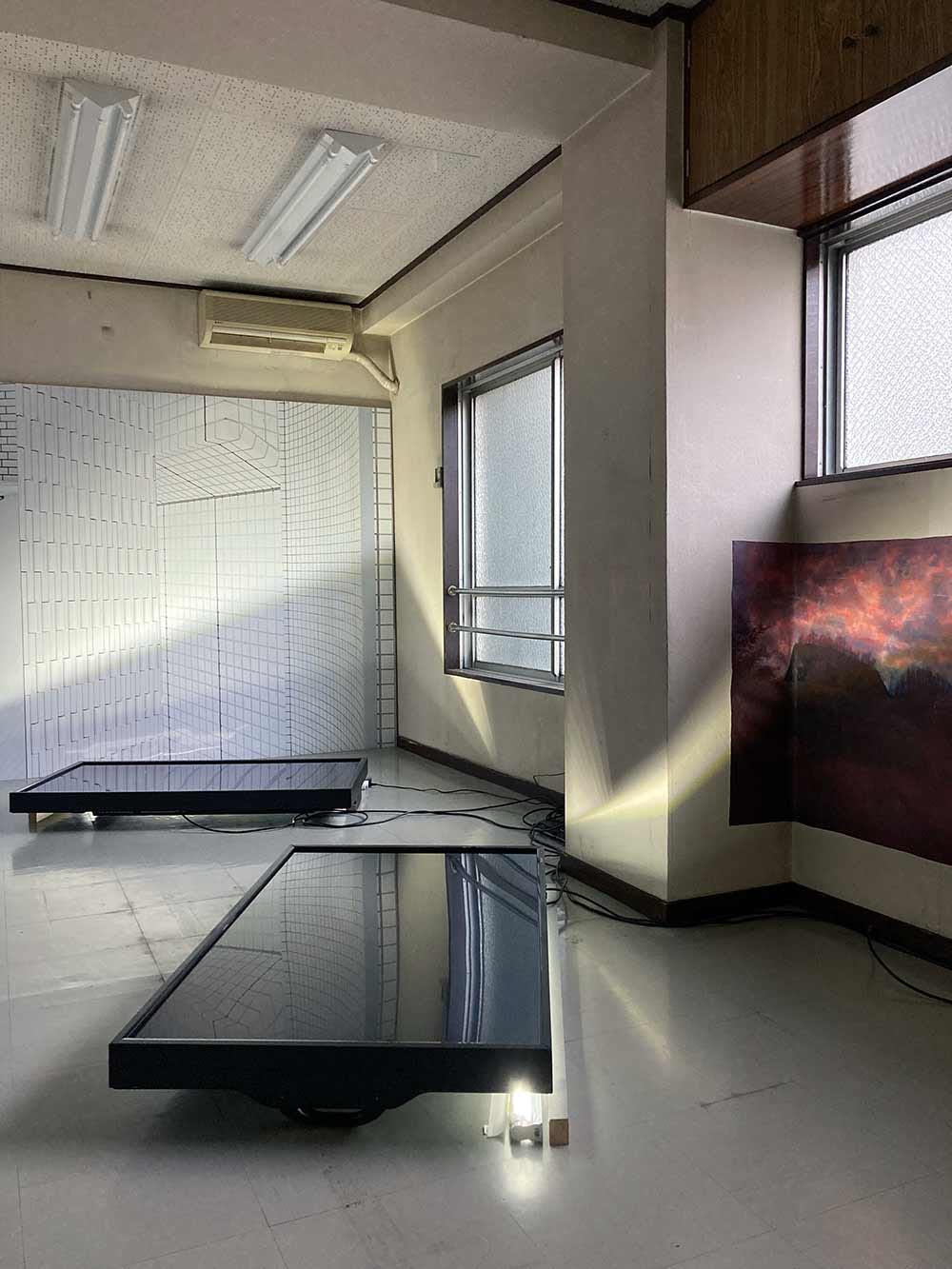
Painting is the new Waiting. Despite Japan’s lack of tourism, there have been plenty of occasions where being unable to attend has also been an advantage. Sjoerd Martens based in Amsterdam banded together with Ikuhisa Sawada in Tokyo to stage an impromptu exhibition where none of the works were similar but all managed to prop each other’s peculiarity. Photographs by Sawada of abstract tiling found in a world are composited back into images as print installations rephotographed as unheimlich and uncanny. The process is exhausting but all that preparation was reduced here to a single wall of imagery, unsure of whether or not it was advertising or obscuring something familiar. Martens’ work treated digital images from around Japan as raw fodder for a procession of digital mulch. They could have been paintings but never settled long enough for them to be any one thing. They were like pooled water endlessly rippling for no apparent reason. And if they were ‘physical’ paintings, as the press release described, they owed as much to the ad-hoc 3rd floor gallery where the rest of The White resides as they did each other. Any enigma that might have come from the melancholic exhibition title was as much down to do with how each piece complimented the other or didn’t. Without any major intervention, the experience is left wanting. And as the old office space attests, both pieces and the space exist like much of the country – in states of suspended animation, waiting. Waiting for what though was unclear. Borders begin to reopen but there’s the growing sense that everything will stay the same. Waiting will be like watching paint dry.
MOMAT Collection (Oct.5, 2021-Feb.13, 2022)
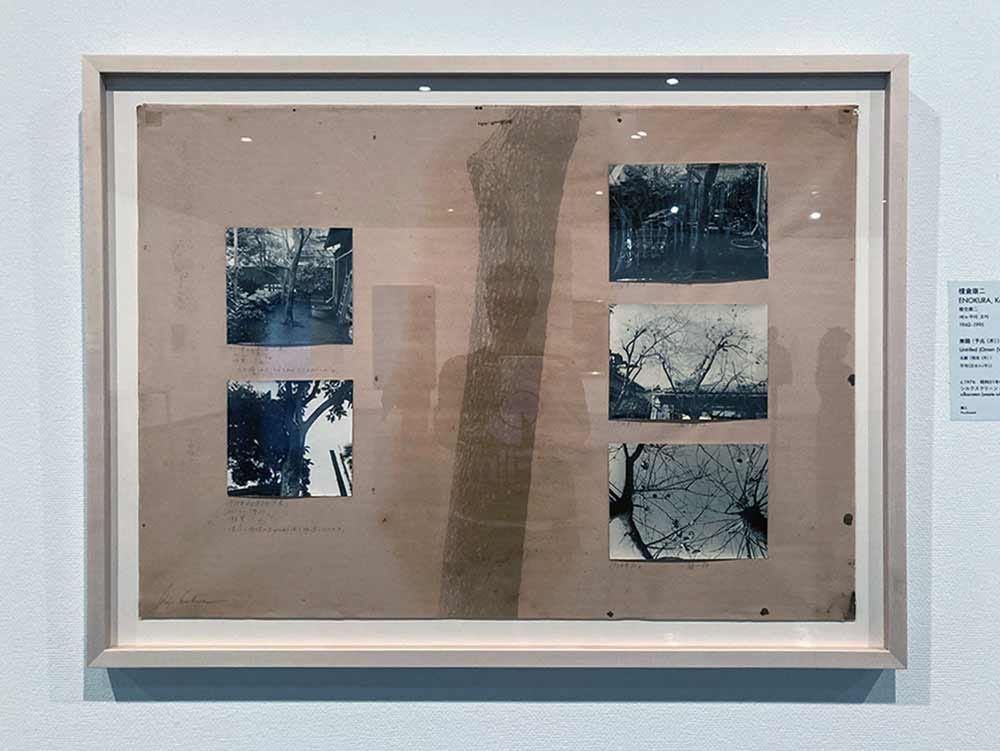
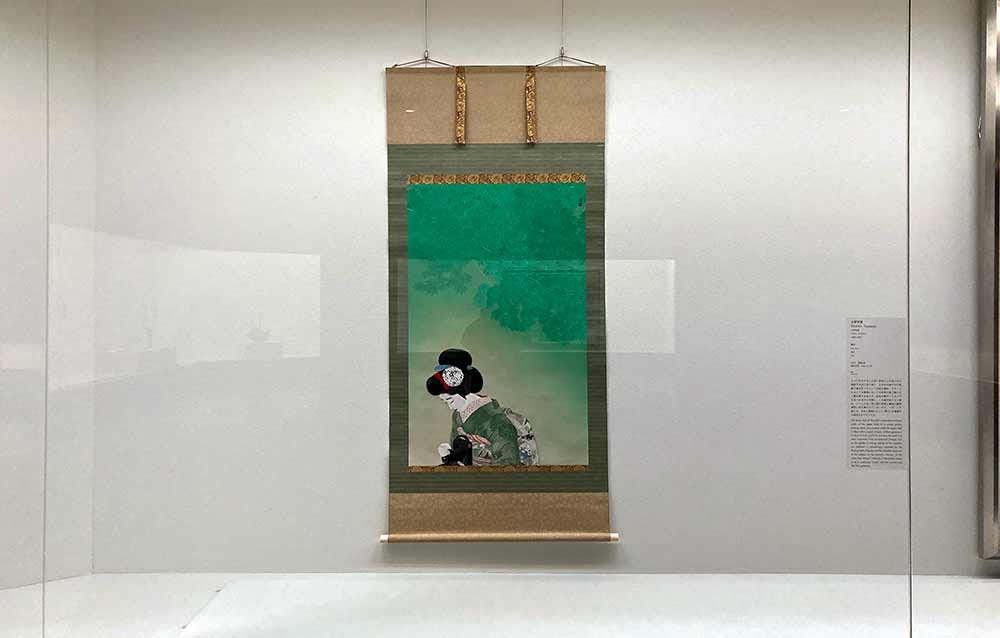
“The lower half of this bold composition consists solely of the upper body of a young geisha peering down at a camera while the upper half is filled with a snatch of fresh, brilliant greenery. In terms of both motif and structure, the work is a clear departure from conventional bijin-ga. Just as the geisha is staring intently at her camera, our attention is unknowingly captured by the thick growth of leaves and the detailed depiction of the pattern on the woman’s kimono. At the same time, Kitano’s intention in the picture seems to be to symbolize “youth” with the woman and the fresh greenery.”
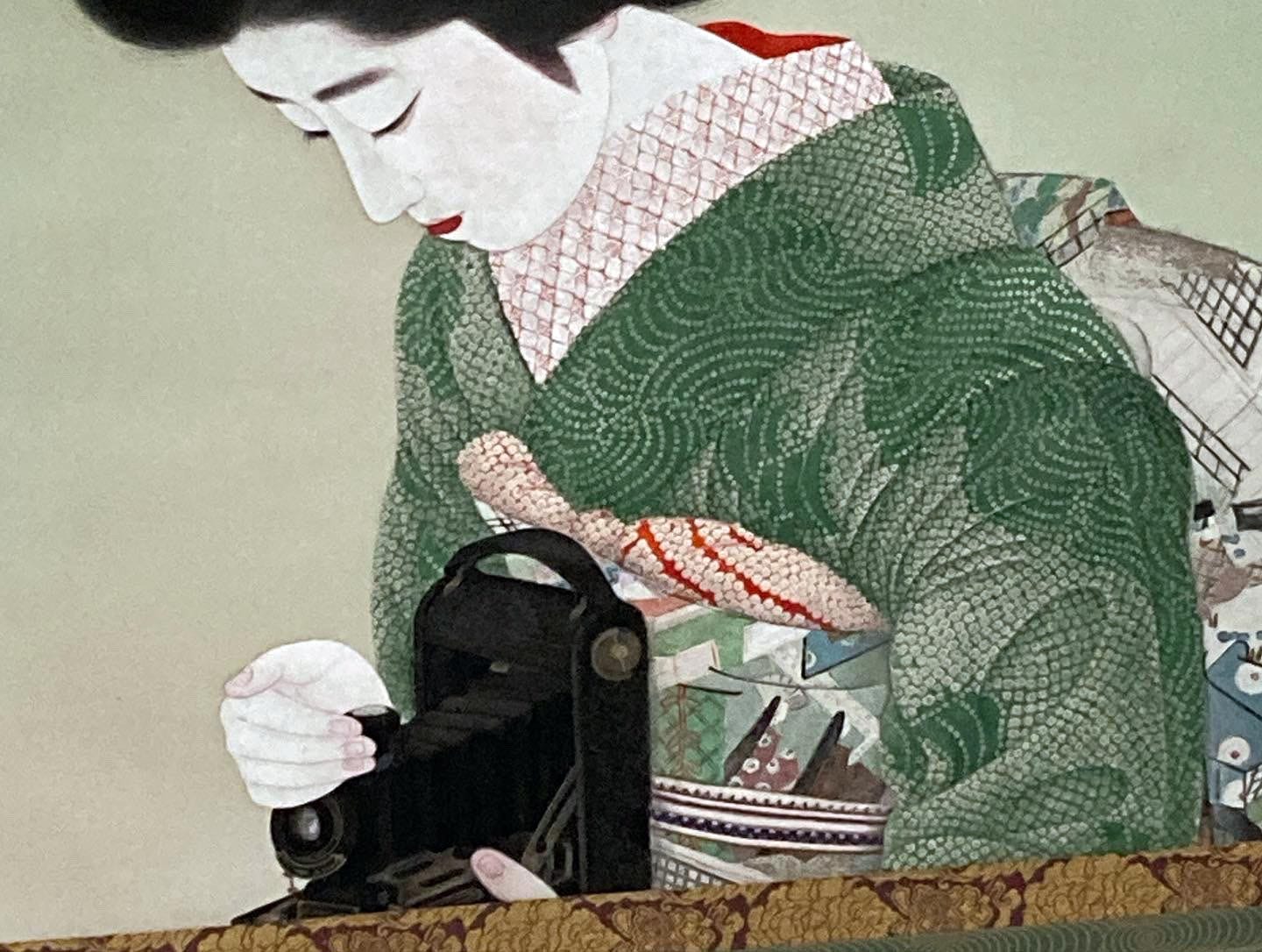
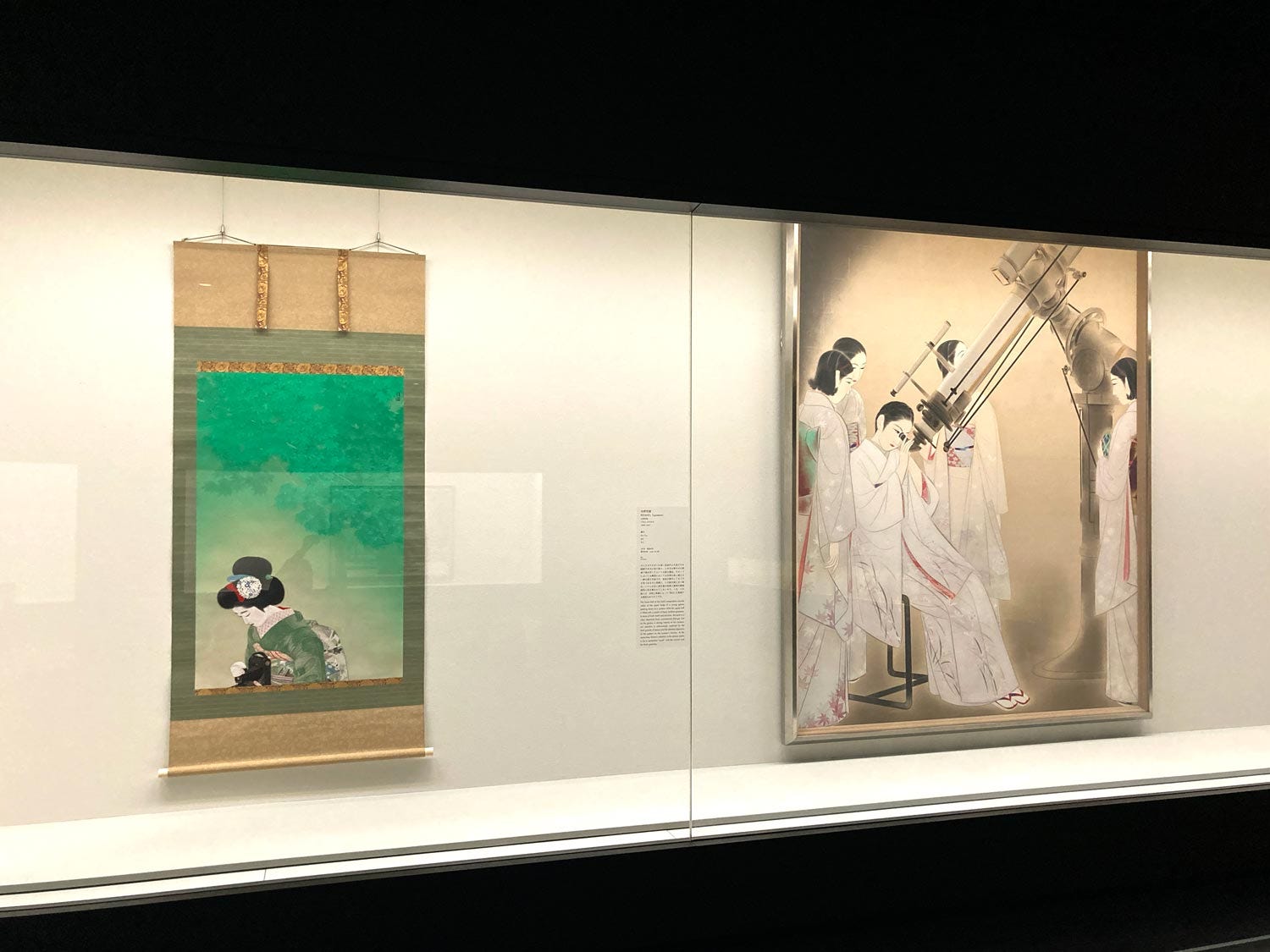
These are exciting paintings for the way they manage and manipulate the modern world. Paintings are calling to question the nature of their own images and the image of production. Distance and reproducibility are no longer unfathomable or out of reach but readily to hand and observable with the naked eye. As for the truthfulness of capturing images, they wonder if the things we now see more easily, be it the endless night sky or a passing moment, are really real or just another form a fabrication no different from each painting.
Pompeii at Tokyo National Museum (Jan 14-Apr 3, 2022)
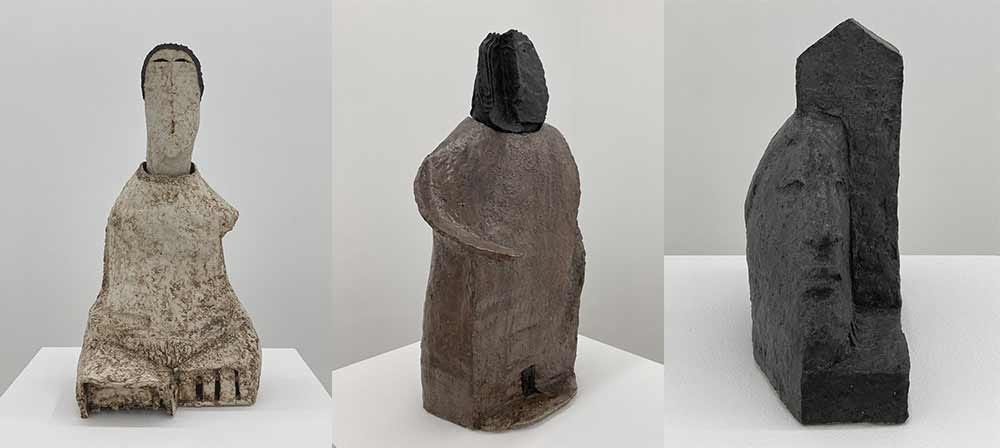
On the other hand, Pompeii at Tokyo National Museum (Jan 14-Apr 3, 2022) with its obsidian cup or skyphos from The House of the Tragic Poet, made of hardened volcanic glass and extremely rare, had an eye for detail now permanently lodged in history—the ultimate artefact unearthing a very different disaster.
Thanks for reading,
Stuart